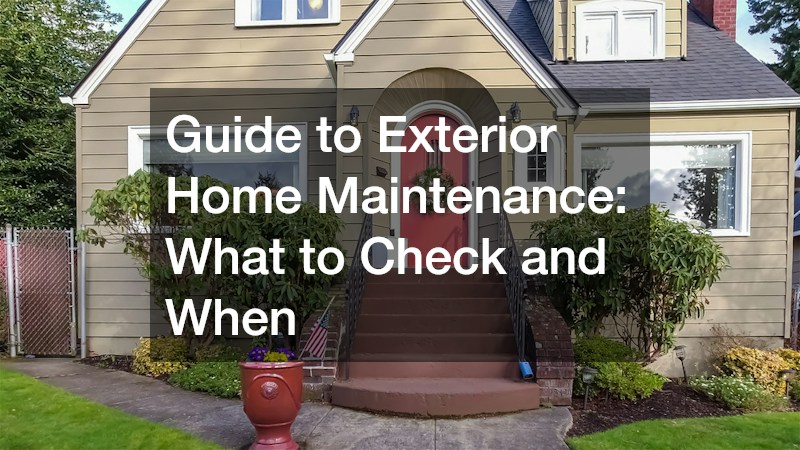
A home is likely your largest financial investment, yet its exterior is constantly under siege from weather, pests, and time. From the scorching sun of summer to the freezing thaws of winter, every element chips away at the protective shell of your property. While many homeowners focus their energy and budgets on interior renovations like kitchen remodels or bathroom upgrades, the exterior is what actually protects those interior investments. Neglecting the outside of your property can turn minor, inexpensive fixes into catastrophic, budget-busting structural failures.
Proactive maintenance is always superior to reactive repairs. Spending a weekend clearing gutters, testing safety sensors, or balancing water chemistry might seem tedious, but it saves thousands of dollars over time. This comprehensive guide serves as your strategic blueprint for exterior preservation. By breaking down your property into manageable zones—from the highest shingle to the deepest root—you can systematically address vulnerabilities, enhance your property’s visual appeal, and ensure your sanctuary remains safe and efficient for decades to come.
Roof and Overhead Protection: Defending Against the Elements
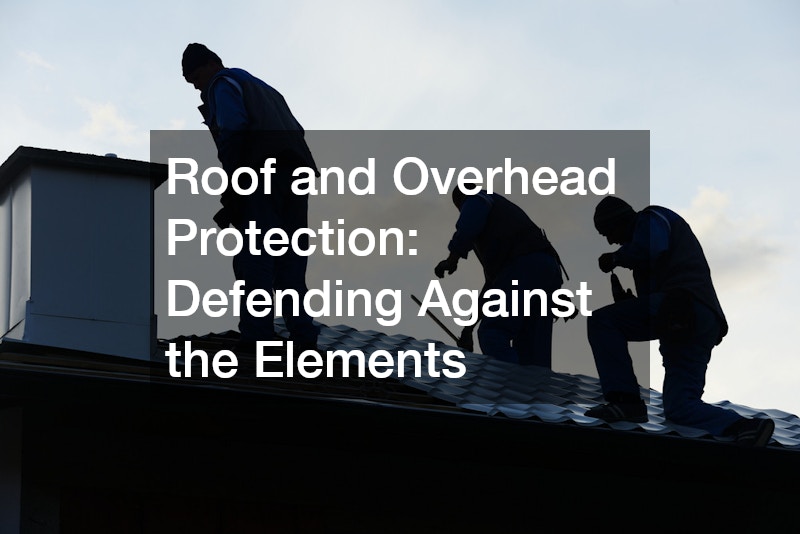
The roof is your home’s first line of defense against the elements. It bears the brunt of heavy rains, hail, snow, and intense ultraviolet radiation. Because it is largely out of sight, it is often out of mind until a ceiling stain appears. Regular assessment and prompt action are vital to ensuring this barrier never breaks down.
Inspecting for Missing Shingles and Structural Weakness
Homeowners should conduct a comprehensive roof inspection at least twice a year, ideally in the spring and autumn. You do not always need to climb a ladder to do this; a strong pair of binoculars allows you to inspect the roof safely from the ground. Look closely for curling, buckling, or blistering shingles, as these are clear signs that the material has reached the end of its lifespan. Pay special attention to the valleys and areas around chimneys, skylights, and vents, as these transition points are notorious for developing leaks.
If you notice widespread damage, bald spots where protective ceramic granules have washed away, or structural sagging along the ridgeline, it is time to call for professional roofing repair. Attempting to patch complex roof systems without proper training can lead to improper sealing, which traps moisture beneath the surface and accelerates wood rot in the underlying decking.
Navigating Storm Damage and Financial Recovery
High winds and severe hailstorms can cause sudden, catastrophic damage to an otherwise pristine roof. After a major weather event, check your yard for fallen shingles or metal flashing, and look at your gutters for an accumulation of loose granules. If you suspect your home has sustained impact or wind damage, document everything immediately with high-resolution photographs from multiple angles.
When structural damage occurs due to unpreventable weather events, you will need to engage with your homeowner’s insurance policy. Navigating the paperwork required for insurance claims can be daunting, but keeping precise records is the key to success. Obtain detailed estimates from licensed contractors, take meticulous notes of all conversations with insurance adjusters, and submit your paperwork promptly to avoid missing strict policy deadlines.
Structural & Venting Essentials: Chimneys and Garages
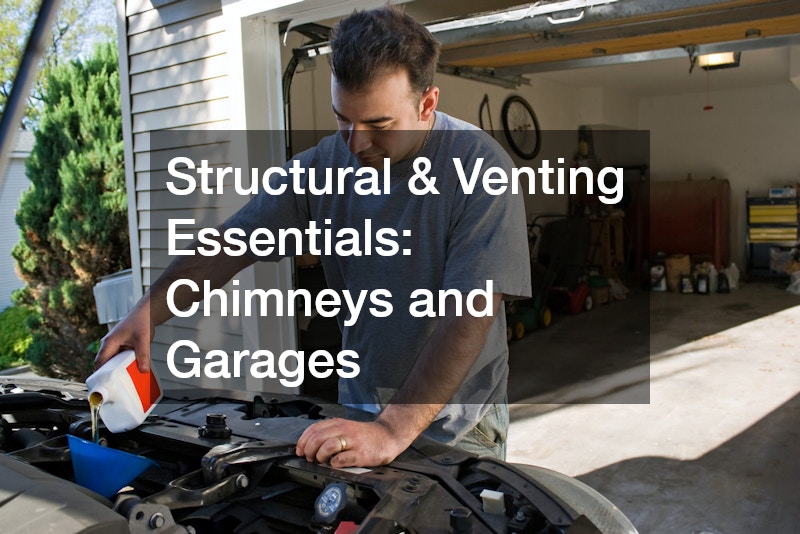
The structural components that bridge the interior and exterior of your home require specialized attention. Vents, chimneys, and large moving doors are vulnerable to both structural degradation and mechanical failure, making regular safety inspections non-negotiable.
Maintaining Masonry and Preventing Flue Blockages
A brick or stone chimney adds classic architectural beauty to a home, but it is highly susceptible to weathering. Water can penetrate porous mortar joints, and when that water freezes, it expands, cracking the masonry and loosening the bricks. Furthermore, using a wood-burning fireplace creates a buildup of creosote, a highly flammable byproduct that adheres to the inside of the flue.
To keep your home safe, you should visually inspect the exterior masonry for gaps or crumbling mortar. Ensure that the chimney cap is securely fastened to prevent birds, squirrels, and rain from entering the flue. If you notice cracked bricks, a leaning stack, or a deteriorated concrete crown, you must invest in professional chimney repair to restore structural stability and prevent deadly carbon monoxide or smoke from seeping into your living spaces.
Ensuring Smooth Operation and Security of Heavy Overhead Doors
The garage door is often the largest moving object on a residential property, acting as both a major entry point and a critical security feature. Because it is used multiple times a day, the mechanical components experience significant wear and tear. A malfunctioning door is not just an inconvenience; it is a severe safety hazard that can cause property damage or personal injury.
Homeowners can perform simple monthly maintenance to keep the system running smoothly:
-
Wash the exterior tracks with a mild cleaner to remove dirt and debris.
-
Apply a high-quality silicone or lithium-based spray lubricant to the rollers, hinges, and springs.
-
Test the auto-reverse safety mechanism by placing a solid object, like a block of wood, on the ground under the door; if the door does not reverse instantly upon contact, the sensors need adjustment.
While tracking alignment and basic cleaning are easy DIY tasks, complex mechanical issues are incredibly dangerous. If you hear excessive grinding, notice frayed cables, or if the door balances unevenly, reach out to certified garage door repair companies. The high-tension springs that counterbalance the weight of the door hold enough energy to cause severe injury if they snap, making professional intervention mandatory.
Water Features and Recreation: Pool Care and Chemistry
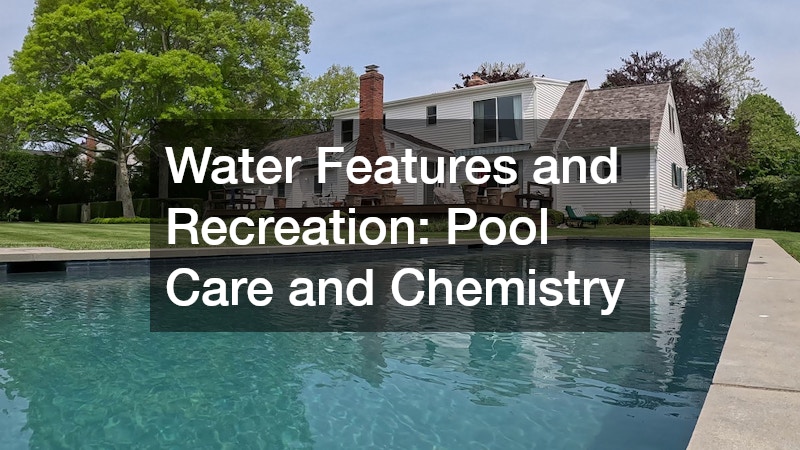
For homes equipped with backyard pools, the exterior maintenance checklist expands to include complex aquatic systems. A swimming pool is a wonderful luxury, but keeping it safe, clean, and structurally sound requires a strict regimen of mechanical checks and chemical balancing.
Streamlining Seasonal Openings, Closings, and Equipment Checks
Proper pool maintenance varies by season, but the fundamental mechanics remain the same. When opening the pool for the warm months, remove the winter cover carefully to prevent debris from falling into the water, and inspect the pool shell for any structural cracking or liner tears. Check the pump, filter, and skimmer baskets to ensure water is circulating efficiently throughout the system.
During the swimming season, run the filtration system for at least eight to twelve hours a day to keep the water moving and clear. Skim floating debris daily and brush the walls weekly to prevent algae from taking root. If you notice dropping water levels that cannot be attributed to normal evaporation, or if your pump begins making a loud, whining noise, it is wise to bring in specialized pool services to pressure test the lines and service the mechanical components before minor issues turn into costly system failures.
Mastering Water Balance and Chemical Storage Safety
Keeping pool water crystal clear requires a firm grasp of water chemistry. Unbalanced water can lead to skin irritation for swimmers, cloudy water, and rapid degradation of pool equipment and surfaces. You should test the water at least twice a week using a reliable liquid test kit or digital strips, checking for key parameters:
-
Free Chlorine: Must be maintained between 1.0 and 3.0 parts per million to kill harmful bacteria and pathogens.
-
pH Level: Should sit comfortably between 7.2 and 7.6 to ensure swimmer comfort and chemical efficiency.
-
Total Alkalinity: Acts as a buffer for pH and should be kept between 80 and 120 parts per million.
To maintain these levels, you will need a steady supply of shock treatments, chlorine tablets, pH increasers, and muriatic acid. It is incredibly convenient to establish a dedicated pool chemical store in a cool, dry, well-ventilated space like a detached shed. Always store chemicals in their original, tightly sealed containers, never stack different chemical types directly on top of each other, and keep them completely out of reach of children and household pets to prevent accidental exposure or dangerous chemical reactions.
Tree and Vegetation Management: Protecting Your Property Lines
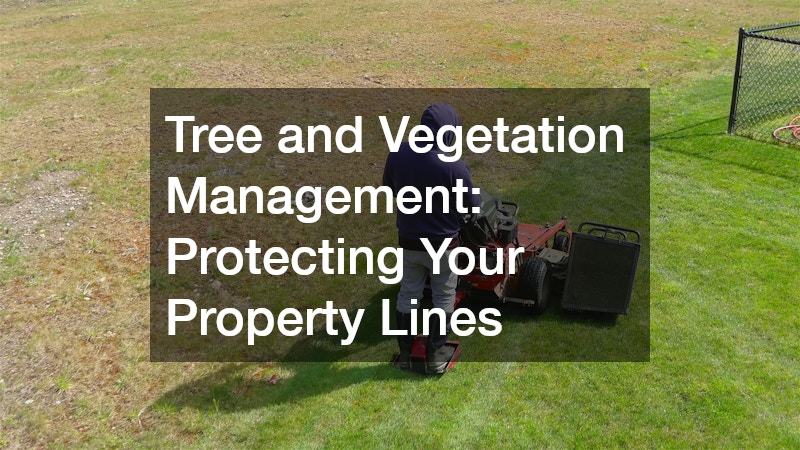
The living landscape surrounding your home is dynamic and constantly growing. If left unmanaged, trees and dense brush can encroach on your structures, compromise your foundation, and create severe fire hazards.
Managing Large Canopies and Identifying Hazardous Overhangs
Mature trees provide valuable shade, lower cooling costs, and enhance the beauty of your property. However, large branches that overhang your roof present a continuous threat. During high winds, ice storms, or heavy downpours, these limbs can snap, crashing through roof structures or tearing down power lines. Furthermore, dropping leaves and twigs clog gutters, leading to ice dams and water backing up under your shingles.
Maintain a strict boundary between your trees and your home by ensuring that no branches come within ten feet of your roof or siding. Inspect your trees regularly for signs of decay, such as hollow trunks, fungal growth at the base, or large dead limbs in the canopy. If you identify a hazardous tree or need large, heavy branches removed from high above your living structures, it is best to enlist professional tree services. Certified arborists have the rigging equipment and safety gear necessary to drop massive limbs without damaging your home.
Preparing Undeveloped Lots and Managing Massive Overgrowth
For homeowners with larger properties or those dealing with inherited, neglected acreage, vegetation management goes far beyond simple pruning. Left unchecked, aggressive vines, thorny briars, and invasive saplings can completely overtake walkways, damage perimeter fencing, and become a breeding ground for rodents and pests. Overgrown brush also acts as a fuel source, increasing the vulnerability of your home during wildfire seasons.
Clearing heavily overgrown areas requires heavy-duty tools and a strategic approach. You must remove the root systems of invasive species to prevent them from bouncing back the following spring. When dealing with thick undercombed brush, thickets of wild trees, or preparing a rocky slope for future use, utilizing professional land clearing services is the most efficient choice. These teams use specialized machinery like forestry mulchers and excavators to clear dense vegetation quickly, stabilize the soil, and level the terrain safely.
Ground-Level Curb Appeal: Lawns and Hardscapes
The lowest level of your home’s exterior dictates its primary aesthetic value. A lush, green lawn framed by clean, stable walkways creates an inviting atmosphere and immediately boosts your property value.
Establishing a Year-Round Turf Fertility and Mowing Schedule
Achieving a golf-course-quality lawn requires more than just turning on a sprinkler. True turf management relies on understanding your soil type and grass species. Whether you have cool-season grasses like Kentucky Bluegrass or warm-season varieties like Bermuda, your lawn thrives on consistency.
To keep your grass healthy and resilient against pests and weeds, implement these foundational practices:
-
Conduct a soil test every two years to determine exactly what nutrients your soil lacks.
-
Follow the one-third rule when mowing; never cut off more than one-third of the grass blade height during a single mowing, as cutting too low shocks the plant and weakens its roots.
-
Water deeply and infrequently, preferably in the early morning hours, aiming for roughly one inch of water per week to encourage deep, drought-resistant root growth.
Commitment to proper lawn care also involves aeration and dethatching in the autumn to allow oxygen, water, and nutrients to penetrate the compacted soil, ensuring the grass returns vibrant and thick the following spring.
Maintaining Patios, Walkways, and Retaining Walls
Hardscaping elements like concrete patios, interlocking paver walkways, and stone retaining walls give structure and function to your outdoor living spaces. However, soil shifting, heavy foot traffic, and water runoff can cause these solid surfaces to crack, settle unevenly, or become overrun with unsightly weeds.
Preventive maintenance preserves both the appearance and safety of these installations. Use a pressure washer annually to remove built-up grime, moss, and slick algae layers that make walkways dangerous when wet. Sweeping polymeric sand into the joints of paver stones seals the gaps, preventing shifting and halting weed growth in its tracks. For complex projects like correcting a failing retaining wall, installing a flagstone patio, or fixing deep structural cracks in a driveway, hiring professional hardscaping services guarantees proper drainage and base compaction, protecting your ground-level structures for decades.
Exterior home maintenance is not a single weekend project, but a continuous cycle of care, observation, and timely intervention. By breaking your home down into distinct systems—the roof, structural openings, recreational water features, surrounding vegetation, and ground-level landscapes—you can easily keep track of your property’s needs.
Taking a proactive approach to caring for your home prevents minor issues from spiraling into massive, disruptive repair projects. Regularly inspecting your property, understanding when to roll up your sleeves for a DIY task, and recognizing when to bring in certified professionals ensures your home remains safe, efficient, and beautiful. Treat your home’s exterior with the respect it deserves, and it will reward you with safety, comfort, and peace of mind for many years to come.