Before you spend a single dollar on interior paint, open-concept floor plans, or custom cabinetry, you must look directly above you. A home’s structural integrity lives and dies by its ability to shed water and withstand atmospheric pressure. Neglecting water intrusion points while updating interior finishes is one of the most expensive mistakes a home renovator can make, as a single undetected slow leak can quietly destroy subfloors, rot timber framing, and ruin fresh drywall long before it manifests as a visible ceiling stain.
When auditing an older property, pay special attention to roof valleys, flashing around chimneys, and aging shingles that have begun to curl or lose their granular coating. Bringing in a licensed roofer early in the process gives you an accurate assessment of the structure’s remaining lifespan. Rather than settling for quick patch jobs, consider whether a full tear-off and upgrade to modern, impact-resistant materials will offer better long-term peace of mind. A secure top layer ensures that every interior investment you make moving forward remains fully protected against heavy rain, snow loads, and wind storms.
Phase 1: Protecting the Structural Envelope
Beyond the immediate structural protection, updating your overhead shelter serves as the primary thermal regulator for your whole residence. Radiant heat entering through an uninsulated or compromised upper deck forces your internal cooling infrastructure to work twice as hard during summer months. Modern roofing systems integrate advanced underlayments, ridge ventilation channels, and reflective materials that continuously vent trapped hot air. This continuous passive airflow reduces attic temperatures dramatically, taking immense stress off living spaces below and drastically lowering peak utility demands.
Managing Thermal Transfer and Natural Illumination
Once the top layer of the home is secure, your focus should shift to the vertical envelope—specifically windows and wall penetrations. In older homes, windows are often the primary culprit behind soaring utility bills, persistent drafts, and uncomfortable temperature fluctuations. While replacing every window frame can be a massive investment, optimizing how those openings manage light and thermal radiation yields immediate daily comfort.
-
Structural Protection: Overhead shield (roofing and flashing) and vertical envelope (windows and thermal performance).
-
Internal System Balancing: Air circulation, cooling efficiency, and heating/duct performance.
-
Interior Comfort & Wellness: Whole-home water filtration, purity, and subfloor foundations.
-
Outdoor Retreat Creation: Boundary perimeters, privacy structures, and low-maintenance outdoor living.
Installing heavy-duty exterior shutters or well-fitted indoor solid louvers creates an effective physical barrier against extreme temperatures. Beyond thermal regulation, high-quality shutters allow you to control natural illumination precisely, softening harsh mid-day light into a warm, calm glow while preserving privacy from nearby neighbors. This simple balance of light control and thermal insulation immediately changes how a room feels, making it quiet, controlled, and distinctly restful.
Properly executed window treatments also shield your costly interior investments from sunlight deterioration. Direct ultraviolet exposure quickly fades hardwood stains, bleaches custom upholstery, and degrades delicate wall art over time. Adjusting exterior architectural barriers or solid interior louvers helps direct soft, indirect light deep into your living areas while filtering out damaging radiation. This balanced approach creates a naturally illuminated environment that protects your home furnishings and minimizes the need for artificial overhead lights during daylight hours.
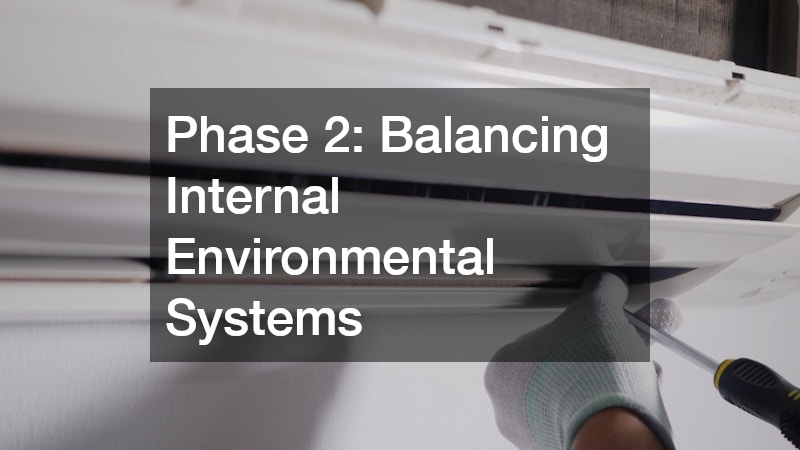
Phase 2: Balancing Internal Environmental Systems
Optimizing Air Circulation and Cooling Systems
Living in a fixer-upper undergoing updates often exposes you to fluctuating indoor temperatures and dusty air. A sanctuary demands a reliable climate control system that operates silently in the background without blasting dusty, unfiltered air through your living areas every time the thermostat trips.
-
Conduct a Thorough System Diagnostics Check: Test the compressor, check refrigerant levels, and inspect condensation lines for blockages or microbial buildup.
-
Seal and Insulate Ductwork: Old homes frequently lose up to thirty percent of conditioned air through loose duct joints running through hot attics or cold basements.
-
Upgrade Filtration: Transition from basic fiberglass filters to high-MERV options that capture fine dust, pollen, and renovation particulates.
-
Calibrate Air Distribution: Adjust supply register dampers to balance airflow across multistory layouts, ensuring upper floors receive adequate cooling without over-freezing the ground level.
If your central unit sounds like a jet engine warming up or struggles to bring down humidity during humid afternoons, calling in a professional for ac repair is an essential early step. Prompt repairs or system recalibrations prevent compressor burnout, reduce monthly energy consumption, and immediately clean up the air you breathe while working through the remaining phases of your project.
Maintaining optimized air circulation systems yields long-term health benefits for everyone living in the home. In addition to regulating basic ambient air temperature, properly calibrated mechanical systems actively manage interior moisture levels. Uncontrolled humidity can quickly breed mold spores inside dark wall cavities, aggravate seasonal allergies, and warp exposed woodwork across bedrooms. Keeping your cooling equipment running smoothly ensures balanced humidity levels, creating a crisp, fresh interior environment where you can truly relax and breathe easily.
Stabilizing Radiant Warmth and Heat Distribution
Consistent, comfortable warmth is just as crucial as cooling when it comes to living comfortably. Older heating systems are notorious for producing hot and cold zones throughout a house, leaving bedrooms chilly while heating main living areas to uncomfortable levels.
Modernizing your heating setup requires looking beyond the main unit itself. You must evaluate how heat travels from its origin to every corner of your floor plan. Professional furnace services can identify leaky duct runs, clear out years of accumulated dust, calibrate gas valves, and ensure heat exchangers are operating safely without producing carbon monoxide risks. When your heating system operates smoothly and quietly, the home takes on a steady, soothing rhythm, keeping floors warm and air draft-free even during the coldest winter nights.
A fully optimized heating plant acts as an invisible shield against winter structural damage. During extreme cold snaps, poorly balanced heat distribution can leave vulnerable exterior plumbing lines freezing inside outer walls or unheated crawl spaces. Maintaining steady, efficient output prevents sudden plumbing leaks while keeping internal ambient temperatures completely uniform. Modern programmable controls further optimize daily performance, reducing heating power automatically while you sleep and warming spaces right before your morning alarm.
Phase 3: Elevating Interior Comfort and Physical Foundations
Installing Pure Water Infrastructure Throughout the Home
There is a distinct difference between a home that simply functions and one that actively supports your daily health. While cosmetic upgrades dominate most home renovation shows, high-performance physical infrastructure is what truly elevates daily life. Water quality is a prime example. Municipal water supplies and aging residential pipes often introduce heavy metals, chloramines, and sediment into your drinking, cooking, and bathing water.
Focusing on whole-home water systems eliminates harsh minerals and prolongs appliance lifespan. Calibrating your subfloors prevents annoying squeaks and yields smooth, level walking surfaces. Adding thermal window layers helps regulate interior temperatures while gently diffusing direct sunlight glare.
Integrating a comprehensive whole-house water filtration system instantly improves your quality of life. Bathing in purified water leaves skin and hair feeling noticeably softer, while unfiltered minerals are prevented from building up inside your brand-new plumbing fixtures and appliances. Furthermore, having clean, fresh-tasting water available at every faucet encourages healthy habits and eliminates the continuous cost and plastic waste of bottled water.
Protecting your home’s water plumbing system from aggressive mineral buildup saves thousands of dollars over time. Hard mineral deposits rapidly calcify inside water heaters, dishwasher jets, and modern shower engines, severely shortening their working lifespan and tank efficiency. By removing these minerals at your primary main water entry, you protect every appliance in the home. Clothes stay brighter after washing, glass dishes dry without unsightly spots, and kitchen faucets retain their smooth operation and brilliant finish for years.
Building Level, Durable, and Seamless Grounding
When walking through an old fixer-upper, the first thing you notice underfoot is often unevenness, squeaking, or worn carpet covering hidden damage. Floor surfaces serve as the literal foundation of your interior design scheme, setting the visual tone and tactile feel of every room.
A room can be filled with fine furniture and artwork, but if the floor underneath feels uneven or creaks with every step, the sense of luxury and quiet security vanishes immediately.
Achieving a quiet, grounded interior requires careful subfloor prep work. Screw down loose subfloor panels, level low spots using self-leveling underlayment compounds, and install acoustic underlayment materials. Once your base layer is level, flat, and silent, proceeding with a modern floor installation—whether you choose wide-plank engineered hardwood, luxury vinyl plank, or timeless tile—creates visual continuity across rooms. Seamless flooring draws the eye across spaces, making compact layouts feel significantly larger, airier, and more cohesive.
Investing time in proper subfloor installation also establishes an effective sound dampening layer between different levels of your residence. Unfinished subflooring transfers footstep impacts, dropped items, and heavy movement directly down through wall framing into lower rooms. Adding heavy density underlayment materials absorbs these kinetic vibrations, preventing echo chamber effects across open-concept layouts. The resulting interior environment remains quiet and serene, even when multiple family members occupy different areas of the home at once.
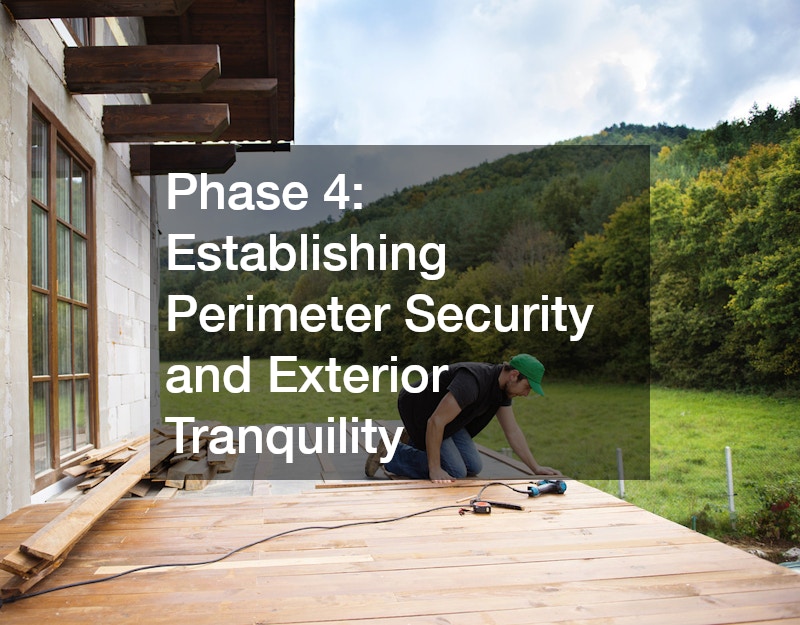
Phase 4: Establishing Perimeter Security and Exterior Tranquility
Setting Boundaries with Architectural Structures
As interior renovations near completion, attention naturally shifts outward. The exterior property should feel like an outdoor extension of your indoor rooms rather than an exposed, unkept yard. Establishing clear, attractive boundaries is essential for transforming a basic yard into a safe, functional family space.
Begin by evaluating your property lines, local setbacks, and layout goals. Planning a professional fence installation allows you to define clear zones for recreation, gardening, and pet exercise. Beyond marking physical property lines, a well-built boundary acts as a visual anchor that frames the entire home, boosting curb appeal while keeping children and pets safe inside your yard.
-
Property Line Definition: Installing strong fence structures to ensure security, contain pets, and elevate curb appeal.
-
Acoustic & Sight Barrier: Adding solid privacy paneling to create a quiet, secluded courtyard atmosphere.
-
Low-Upkeep Living Options: Integrating synthetic turf systems and dedicated aquatic elements (pools or spas) to maximize relaxation.
Constructing a solid exterior boundary also serves as a critical security layer for modern smart home integrations. Defining clear yard access points makes positioning automated entry gates, motion lighting, and security equipment straightforward. A well-built perimeter deters unwanted trespassers, secures stray wildlife away from your gardens, and keeps family members safe inside a controlled space.
Blocking Sightlines for True Backyard Isolation
Safety is vital, but true relaxation requires complete privacy. It is difficult to unwind on a patio if you feel exposed to neighboring windows or street traffic.
To create an intimate outdoor haven, design an enclosure that blocks direct sightlines into your outdoor living spaces. Installing a tall, solid privacy fence around your patio or deck instantly transforms an exposed yard into a secluded courtyard. This visual barrier also reduces wind movement and dampens neighborhood traffic noise, turning your backyard into a peaceful retreat where you can read, entertain, or relax in privacy.
A continuous privacy screen transforms your outdoor space into a usable open-air living room. When sightlines are completely blocked, patio areas function as natural extensions of your indoor kitchen and dining spaces. You can host quiet dinners, practice morning yoga, or enjoy evening conversations without feeling watched by nearby neighbors. This architectural barrier creates a quiet outdoor sanctuary where you can fully unwind in complete comfort.
Phase 5: Designing a Low-Upkeep Outdoor Recreation Space
Integrating Aquatic Elements for Leisure
Imagine stepping through your back door on a warm summer evening into a private, resort-style courtyard. Incorporating water features into your yard design adds a luxurious, restorative dimension that turns ordinary weekends into relaxing getaways.
-
Determine Purpose and Scale: Decide whether your space is best suited for a lap pool, a compact plunge pool, or an integrated spa focused on hydrotherapy.
-
Assess Utility Connections: Verify electrical main panels and gas service lines early, as pool pumps, heaters, and automation hardware require dedicated capacity.
-
Plan Traffic Paths: Ensure easy movement between indoor kitchens, changing areas, and outdoor pool decks to keep water from being tracked through interior living spaces.
-
Incorporate Smart Automation: Utilize automated pumps, salt-chlorine generators, and modern heaters to minimize weekly maintenance and keep operating costs predictable.
Working with an experienced pool company ensures your pool or spa is positioned properly for sun exposure, soil stability, and local building codes. When designed thoughtfully, an aquatic feature becomes the visual center of your yard, offering gentle water sounds that mask urban noise while creating a natural gathering spot for friends and family.
Integrating water elements into your outdoor landscape also opens up great opportunities for therapeutic health benefits right at home. Daily swimming offers excellent, low-impact exercise for joints, while heated spa hydrotherapy soothes tight muscles and helps reduce daily stress. Beyond fitness, the natural acoustic masking provided by flowing water washes away harsh background sounds like passing traffic or distant sirens, replacing them with a steady, peaceful ambient soundscape that elevates your entire outdoor experience.
Minimizing Lawn Maintenance with Modern Synthetic Landscapes
Traditional lawns demand hours of weekly work—mowing, weeding, fertilizing, and watering—often leaving patchy, muddy spots around high-traffic areas, shade zones, and pool decks. A modern sanctuary should give you back your time, not hand you a endless list of weekend chores.
Replacing problematic grass zones with high-grade artificial grass eliminates lawn maintenance while keeping your yard bright and green year-round. Modern synthetic turf utilizes multi-toned blades, textured thatch layers, and anti-glare coatings to closely mimic the appearance of natural grass. With an aggregate drainage base underneath, it drains rapidly after heavy rains, stays mud-free, and handles pet traffic easily. Eliminating lawn chores gives you more weekend time to enjoy your newly renovated home.
Switching to synthetic turf also creates a much cleaner, healthier environment for your pets and living spaces. Traditional natural grass yards often accumulate muddy patches, harbor buried pests like fleas and ticks, and require harsh chemical treatments to stay green. Synthetic turf surfaces eliminate mud, eliminating dirty paw prints tracked across your hardwood floors. Furthermore, avoiding chemical fertilizers keeps your living area safe for kids and pets to enjoy every day.
Enjoying the Rewards of Strategic Renovation
Transforming a rundown fixer-upper into a serene, high-performance home is a marathon, not a sprint. By resisting the urge to prioritize superficial cosmetic updates over structural health, you build a home that functions brilliantly from the inside out.
Securing the roof and windows protects your investment from moisture and draft damage. Modernizing heating, cooling, and water filtration systems guarantees daily comfort and health. Level floors and cohesive surface finishes ground the interior design, while private, low-maintenance outdoor spaces extend your living area into the open air.
When you approach renovation with plan, patience, and purpose, the initial mess and stress slowly melt away. What remains is a beautiful, efficient, and deeply restorative home—a true modern sanctuary built to serve you reliably for decades to come.
Before you spend a single dollar on interior paint, open-concept floor plans, or custom cabinetry, you must look directly above you. A home’s structural integrity lives and dies by its ability to shed water and withstand atmospheric pressure. Neglecting water intrusion points while updating interior finishes is one of the most expensive mistakes a home renovator can make, as a single undetected slow leak can quietly destroy subfloors, rot timber framing, and ruin fresh drywall long before it manifests as a visible ceiling stain.
When auditing an older property, pay special attention to roof valleys, flashing around chimneys, and aging shingles that have begun to curl or lose their granular coating. Bringing in a licensed roofer early in the process gives you an accurate assessment of the structure’s remaining lifespan. Rather than settling for quick patch jobs, consider whether a full tear-off and upgrade to modern, impact-resistant materials will offer better long-term peace of mind. A secure top layer ensures that every interior investment you make moving forward remains fully protected against heavy rain, snow loads, and wind storms.
Phase 1: Protecting the Structural Envelope
Beyond the immediate structural protection, updating your overhead shelter serves as the primary thermal regulator for your whole residence. Radiant heat entering through an uninsulated or compromised upper deck forces your internal cooling infrastructure to work twice as hard during summer months. Modern roofing systems integrate advanced underlayments, ridge ventilation channels, and reflective materials that continuously vent trapped hot air. This continuous passive airflow reduces attic temperatures dramatically, taking immense stress off living spaces below and drastically lowering peak utility demands.
Managing Thermal Transfer and Natural Illumination
Once the top layer of the home is secure, your focus should shift to the vertical envelope—specifically windows and wall penetrations. In older homes, windows are often the primary culprit behind soaring utility bills, persistent drafts, and uncomfortable temperature fluctuations. While replacing every window frame can be a massive investment, optimizing how those openings manage light and thermal radiation yields immediate daily comfort.
-
Structural Protection: Overhead shield (roofing and flashing) and vertical envelope (windows and thermal performance).
-
Internal System Balancing: Air circulation, cooling efficiency, and heating/duct performance.
-
Interior Comfort & Wellness: Whole-home water filtration, purity, and subfloor foundations.
-
Outdoor Retreat Creation: Boundary perimeters, privacy structures, and low-maintenance outdoor living.
Installing heavy-duty exterior shutters or well-fitted indoor solid louvers creates an effective physical barrier against extreme temperatures. Beyond thermal regulation, high-quality shutters allow you to control natural illumination precisely, softening harsh mid-day light into a warm, calm glow while preserving privacy from nearby neighbors. This simple balance of light control and thermal insulation immediately changes how a room feels, making it quiet, controlled, and distinctly restful.
Properly executed window treatments also shield your costly interior investments from sunlight deterioration. Direct ultraviolet exposure quickly fades hardwood stains, bleaches custom upholstery, and degrades delicate wall art over time. Adjusting exterior architectural barriers or solid interior louvers helps direct soft, indirect light deep into your living areas while filtering out damaging radiation. This balanced approach creates a naturally illuminated environment that protects your home furnishings and minimizes the need for artificial overhead lights during daylight hours.
Phase 2: Balancing Internal Environmental Systems
Optimizing Air Circulation and Cooling Systems
Living in a fixer-upper undergoing updates often exposes you to fluctuating indoor temperatures and dusty air. A sanctuary demands a reliable climate control system that operates silently in the background without blasting dusty, unfiltered air through your living areas every time the thermostat trips.
-
Conduct a Thorough System Diagnostics Check: Test the compressor, check refrigerant levels, and inspect condensation lines for blockages or microbial buildup.
-
Seal and Insulate Ductwork: Old homes frequently lose up to thirty percent of conditioned air through loose duct joints running through hot attics or cold basements.
-
Upgrade Filtration: Transition from basic fiberglass filters to high-MERV options that capture fine dust, pollen, and renovation particulates.
-
Calibrate Air Distribution: Adjust supply register dampers to balance airflow across multistory layouts, ensuring upper floors receive adequate cooling without over-freezing the ground level.
If your central unit sounds like a jet engine warming up or struggles to bring down humidity during humid afternoons, calling in a professional for ac repair is an essential early step. Prompt repairs or system recalibrations prevent compressor burnout, reduce monthly energy consumption, and immediately clean up the air you breathe while working through the remaining phases of your project.
Maintaining optimized air circulation systems yields long-term health benefits for everyone living in the home. In addition to regulating basic ambient air temperature, properly calibrated mechanical systems actively manage interior moisture levels. Uncontrolled humidity can quickly breed mold spores inside dark wall cavities, aggravate seasonal allergies, and warp exposed woodwork across bedrooms. Keeping your cooling equipment running smoothly ensures balanced humidity levels, creating a crisp, fresh interior environment where you can truly relax and breathe easily.
Stabilizing Radiant Warmth and Heat Distribution
Consistent, comfortable warmth is just as crucial as cooling when it comes to living comfortably. Older heating systems are notorious for producing hot and cold zones throughout a house, leaving bedrooms chilly while heating main living areas to uncomfortable levels.
Modernizing your heating setup requires looking beyond the main unit itself. You must evaluate how heat travels from its origin to every corner of your floor plan. Professional furnace services can identify leaky duct runs, clear out years of accumulated dust, calibrate gas valves, and ensure heat exchangers are operating safely without producing carbon monoxide risks. When your heating system operates smoothly and quietly, the home takes on a steady, soothing rhythm, keeping floors warm and air draft-free even during the coldest winter nights.
A fully optimized heating plant acts as an invisible shield against winter structural damage. During extreme cold snaps, poorly balanced heat distribution can leave vulnerable exterior plumbing lines freezing inside outer walls or unheated crawl spaces. Maintaining steady, efficient output prevents sudden plumbing leaks while keeping internal ambient temperatures completely uniform. Modern programmable controls further optimize daily performance, reducing heating power automatically while you sleep and warming spaces right before your morning alarm.
Phase 3: Elevating Interior Comfort and Physical Foundations
Installing Pure Water Infrastructure Throughout the Home
There is a distinct difference between a home that simply functions and one that actively supports your daily health. While cosmetic upgrades dominate most home renovation shows, high-performance physical infrastructure is what truly elevates daily life. Water quality is a prime example. Municipal water supplies and aging residential pipes often introduce heavy metals, chloramines, and sediment into your drinking, cooking, and bathing water.
Focusing on whole-home water systems eliminates harsh minerals and prolongs appliance lifespan. Calibrating your subfloors prevents annoying squeaks and yields smooth, level walking surfaces. Adding thermal window layers helps regulate interior temperatures while gently diffusing direct sunlight glare.
Integrating a comprehensive whole-house water filtration system instantly improves your quality of life. Bathing in purified water leaves skin and hair feeling noticeably softer, while unfiltered minerals are prevented from building up inside your brand-new plumbing fixtures and appliances. Furthermore, having clean, fresh-tasting water available at every faucet encourages healthy habits and eliminates the continuous cost and plastic waste of bottled water.
Protecting your home’s water plumbing system from aggressive mineral buildup saves thousands of dollars over time. Hard mineral deposits rapidly calcify inside water heaters, dishwasher jets, and modern shower engines, severely shortening their working lifespan and tank efficiency. By removing these minerals at your primary main water entry, you protect every appliance in the home. Clothes stay brighter after washing, glass dishes dry without unsightly spots, and kitchen faucets retain their smooth operation and brilliant finish for years.
Building Level, Durable, and Seamless Grounding
When walking through an old fixer-upper, the first thing you notice underfoot is often unevenness, squeaking, or worn carpet covering hidden damage. Floor surfaces serve as the literal foundation of your interior design scheme, setting the visual tone and tactile feel of every room.
A room can be filled with fine furniture and artwork, but if the floor underneath feels uneven or creaks with every step, the sense of luxury and quiet security vanishes immediately.
Achieving a quiet, grounded interior requires careful subfloor prep work. Screw down loose subfloor panels, level low spots using self-leveling underlayment compounds, and install acoustic underlayment materials. Once your base layer is level, flat, and silent, proceeding with a modern floor installation—whether you choose wide-plank engineered hardwood, luxury vinyl plank, or timeless tile—creates visual continuity across rooms. Seamless flooring draws the eye across spaces, making compact layouts feel significantly larger, airier, and more cohesive.
Investing time in proper subfloor installation also establishes an effective sound dampening layer between different levels of your residence. Unfinished subflooring transfers footstep impacts, dropped items, and heavy movement directly down through wall framing into lower rooms. Adding heavy density underlayment materials absorbs these kinetic vibrations, preventing echo chamber effects across open-concept layouts. The resulting interior environment remains quiet and serene, even when multiple family members occupy different areas of the home at once.
Phase 4: Establishing Perimeter Security and Exterior Tranquility
Setting Boundaries with Architectural Structures
As interior renovations near completion, attention naturally shifts outward. The exterior property should feel like an outdoor extension of your indoor rooms rather than an exposed, unkept yard. Establishing clear, attractive boundaries is essential for transforming a basic yard into a safe, functional family space.
Begin by evaluating your property lines, local setbacks, and layout goals. Planning a professional fence installation allows you to define clear zones for recreation, gardening, and pet exercise. Beyond marking physical property lines, a well-built boundary acts as a visual anchor that frames the entire home, boosting curb appeal while keeping children and pets safe inside your yard.
-
Property Line Definition: Installing strong fence structures to ensure security, contain pets, and elevate curb appeal.
-
Acoustic & Sight Barrier: Adding solid privacy paneling to create a quiet, secluded courtyard atmosphere.
-
Low-Upkeep Living Options: Integrating synthetic turf systems and dedicated aquatic elements (pools or spas) to maximize relaxation.
Constructing a solid exterior boundary also serves as a critical security layer for modern smart home integrations. Defining clear yard access points makes positioning automated entry gates, motion lighting, and security equipment straightforward. A well-built perimeter deters unwanted trespassers, secures stray wildlife away from your gardens, and keeps family members safe inside a controlled space.
Blocking Sightlines for True Backyard Isolation
Safety is vital, but true relaxation requires complete privacy. It is difficult to unwind on a patio if you feel exposed to neighboring windows or street traffic.
To create an intimate outdoor haven, design an enclosure that blocks direct sightlines into your outdoor living spaces. Installing a tall, solid privacy fence around your patio or deck instantly transforms an exposed yard into a secluded courtyard. This visual barrier also reduces wind movement and dampens neighborhood traffic noise, turning your backyard into a peaceful retreat where you can read, entertain, or relax in privacy.
A continuous privacy screen transforms your outdoor space into a usable open-air living room. When sightlines are completely blocked, patio areas function as natural extensions of your indoor kitchen and dining spaces. You can host quiet dinners, practice morning yoga, or enjoy evening conversations without feeling watched by nearby neighbors. This architectural barrier creates a quiet outdoor sanctuary where you can fully unwind in complete comfort.
Phase 5: Designing a Low-Upkeep Outdoor Recreation Space
Integrating Aquatic Elements for Leisure
Imagine stepping through your back door on a warm summer evening into a private, resort-style courtyard. Incorporating water features into your yard design adds a luxurious, restorative dimension that turns ordinary weekends into relaxing getaways.
-
Determine Purpose and Scale: Decide whether your space is best suited for a lap pool, a compact plunge pool, or an integrated spa focused on hydrotherapy.
-
Assess Utility Connections: Verify electrical main panels and gas service lines early, as pool pumps, heaters, and automation hardware require dedicated capacity.
-
Plan Traffic Paths: Ensure easy movement between indoor kitchens, changing areas, and outdoor pool decks to keep water from being tracked through interior living spaces.
-
Incorporate Smart Automation: Utilize automated pumps, salt-chlorine generators, and modern heaters to minimize weekly maintenance and keep operating costs predictable.
Working with an experienced pool company ensures your pool or spa is positioned properly for sun exposure, soil stability, and local building codes. When designed thoughtfully, an aquatic feature becomes the visual center of your yard, offering gentle water sounds that mask urban noise while creating a natural gathering spot for friends and family.
Integrating water elements into your outdoor landscape also opens up great opportunities for therapeutic health benefits right at home. Daily swimming offers excellent, low-impact exercise for joints, while heated spa hydrotherapy soothes tight muscles and helps reduce daily stress. Beyond fitness, the natural acoustic masking provided by flowing water washes away harsh background sounds like passing traffic or distant sirens, replacing them with a steady, peaceful ambient soundscape that elevates your entire outdoor experience.
Minimizing Lawn Maintenance with Modern Synthetic Landscapes
Traditional lawns demand hours of weekly work—mowing, weeding, fertilizing, and watering—often leaving patchy, muddy spots around high-traffic areas, shade zones, and pool decks. A modern sanctuary should give you back your time, not hand you a endless list of weekend chores.
Replacing problematic grass zones with high-grade artificial grass eliminates lawn maintenance while keeping your yard bright and green year-round. Modern synthetic turf utilizes multi-toned blades, textured thatch layers, and anti-glare coatings to closely mimic the appearance of natural grass. With an aggregate drainage base underneath, it drains rapidly after heavy rains, stays mud-free, and handles pet traffic easily. Eliminating lawn chores gives you more weekend time to enjoy your newly renovated home.
Switching to synthetic turf also creates a much cleaner, healthier environment for your pets and living spaces. Traditional natural grass yards often accumulate muddy patches, harbor buried pests like fleas and ticks, and require harsh chemical treatments to stay green. Synthetic turf surfaces eliminate mud, eliminating dirty paw prints tracked across your hardwood floors. Furthermore, avoiding chemical fertilizers keeps your living area safe for kids and pets to enjoy every day.
Enjoying the Rewards of Strategic Renovation
Transforming a rundown fixer-upper into a serene, high-performance home is a marathon, not a sprint. By resisting the urge to prioritize superficial cosmetic updates over structural health, you build a home that functions brilliantly from the inside out.
Securing the roof and windows protects your investment from moisture and draft damage. Modernizing heating, cooling, and water filtration systems guarantees daily comfort and health. Level floors and cohesive surface finishes ground the interior design, while private, low-maintenance outdoor spaces extend your living area into the open air.
When you approach renovation with plan, patience, and purpose, the initial mess and stress slowly melt away. What remains is a beautiful, efficient, and deeply restorative home—a true modern sanctuary built to serve you reliably for decades to come.
Before you spend a single dollar on interior paint, open-concept floor plans, or custom cabinetry, you must look directly above you. A home’s structural integrity lives and dies by its ability to shed water and withstand atmospheric pressure. Neglecting water intrusion points while updating interior finishes is one of the most expensive mistakes a home renovator can make, as a single undetected slow leak can quietly destroy subfloors, rot timber framing, and ruin fresh drywall long before it manifests as a visible ceiling stain.
When auditing an older property, pay special attention to roof valleys, flashing around chimneys, and aging shingles that have begun to curl or lose their granular coating. Bringing in a licensed roofer early in the process gives you an accurate assessment of the structure’s remaining lifespan. Rather than settling for quick patch jobs, consider whether a full tear-off and upgrade to modern, impact-resistant materials will offer better long-term peace of mind. A secure top layer ensures that every interior investment you make moving forward remains fully protected against heavy rain, snow loads, and wind storms.
Phase 1: Protecting the Structural Envelope
Beyond the immediate structural protection, updating your overhead shelter serves as the primary thermal regulator for your whole residence. Radiant heat entering through an uninsulated or compromised upper deck forces your internal cooling infrastructure to work twice as hard during summer months. Modern roofing systems integrate advanced underlayments, ridge ventilation channels, and reflective materials that continuously vent trapped hot air. This continuous passive airflow reduces attic temperatures dramatically, taking immense stress off living spaces below and drastically lowering peak utility demands.
Managing Thermal Transfer and Natural Illumination
Once the top layer of the home is secure, your focus should shift to the vertical envelope—specifically windows and wall penetrations. In older homes, windows are often the primary culprit behind soaring utility bills, persistent drafts, and uncomfortable temperature fluctuations. While replacing every window frame can be a massive investment, optimizing how those openings manage light and thermal radiation yields immediate daily comfort.
-
Structural Protection: Overhead shield (roofing and flashing) and vertical envelope (windows and thermal performance).
-
Internal System Balancing: Air circulation, cooling efficiency, and heating/duct performance.
-
Interior Comfort & Wellness: Whole-home water filtration, purity, and subfloor foundations.
-
Outdoor Retreat Creation: Boundary perimeters, privacy structures, and low-maintenance outdoor living.
Installing heavy-duty exterior shutters or well-fitted indoor solid louvers creates an effective physical barrier against extreme temperatures. Beyond thermal regulation, high-quality shutters allow you to control natural illumination precisely, softening harsh mid-day light into a warm, calm glow while preserving privacy from nearby neighbors. This simple balance of light control and thermal insulation immediately changes how a room feels, making it quiet, controlled, and distinctly restful.
Properly executed window treatments also shield your costly interior investments from sunlight deterioration. Direct ultraviolet exposure quickly fades hardwood stains, bleaches custom upholstery, and degrades delicate wall art over time. Adjusting exterior architectural barriers or solid interior louvers helps direct soft, indirect light deep into your living areas while filtering out damaging radiation. This balanced approach creates a naturally illuminated environment that protects your home furnishings and minimizes the need for artificial overhead lights during daylight hours.
Phase 2: Balancing Internal Environmental Systems
Optimizing Air Circulation and Cooling Systems
Living in a fixer-upper undergoing updates often exposes you to fluctuating indoor temperatures and dusty air. A sanctuary demands a reliable climate control system that operates silently in the background without blasting dusty, unfiltered air through your living areas every time the thermostat trips.
-
Conduct a Thorough System Diagnostics Check: Test the compressor, check refrigerant levels, and inspect condensation lines for blockages or microbial buildup.
-
Seal and Insulate Ductwork: Old homes frequently lose up to thirty percent of conditioned air through loose duct joints running through hot attics or cold basements.
-
Upgrade Filtration: Transition from basic fiberglass filters to high-MERV options that capture fine dust, pollen, and renovation particulates.
-
Calibrate Air Distribution: Adjust supply register dampers to balance airflow across multistory layouts, ensuring upper floors receive adequate cooling without over-freezing the ground level.
If your central unit sounds like a jet engine warming up or struggles to bring down humidity during humid afternoons, calling in a professional for ac repair is an essential early step. Prompt repairs or system recalibrations prevent compressor burnout, reduce monthly energy consumption, and immediately clean up the air you breathe while working through the remaining phases of your project.
Maintaining optimized air circulation systems yields long-term health benefits for everyone living in the home. In addition to regulating basic ambient air temperature, properly calibrated mechanical systems actively manage interior moisture levels. Uncontrolled humidity can quickly breed mold spores inside dark wall cavities, aggravate seasonal allergies, and warp exposed woodwork across bedrooms. Keeping your cooling equipment running smoothly ensures balanced humidity levels, creating a crisp, fresh interior environment where you can truly relax and breathe easily.
Stabilizing Radiant Warmth and Heat Distribution
Consistent, comfortable warmth is just as crucial as cooling when it comes to living comfortably. Older heating systems are notorious for producing hot and cold zones throughout a house, leaving bedrooms chilly while heating main living areas to uncomfortable levels.
Modernizing your heating setup requires looking beyond the main unit itself. You must evaluate how heat travels from its origin to every corner of your floor plan. Professional furnace services can identify leaky duct runs, clear out years of accumulated dust, calibrate gas valves, and ensure heat exchangers are operating safely without producing carbon monoxide risks. When your heating system operates smoothly and quietly, the home takes on a steady, soothing rhythm, keeping floors warm and air draft-free even during the coldest winter nights.
A fully optimized heating plant acts as an invisible shield against winter structural damage. During extreme cold snaps, poorly balanced heat distribution can leave vulnerable exterior plumbing lines freezing inside outer walls or unheated crawl spaces. Maintaining steady, efficient output prevents sudden plumbing leaks while keeping internal ambient temperatures completely uniform. Modern programmable controls further optimize daily performance, reducing heating power automatically while you sleep and warming spaces right before your morning alarm.
Phase 3: Elevating Interior Comfort and Physical Foundations
Installing Pure Water Infrastructure Throughout the Home
There is a distinct difference between a home that simply functions and one that actively supports your daily health. While cosmetic upgrades dominate most home renovation shows, high-performance physical infrastructure is what truly elevates daily life. Water quality is a prime example. Municipal water supplies and aging residential pipes often introduce heavy metals, chloramines, and sediment into your drinking, cooking, and bathing water.
Focusing on whole-home water systems eliminates harsh minerals and prolongs appliance lifespan. Calibrating your subfloors prevents annoying squeaks and yields smooth, level walking surfaces. Adding thermal window layers helps regulate interior temperatures while gently diffusing direct sunlight glare.
Integrating a comprehensive whole-house water filtration system instantly improves your quality of life. Bathing in purified water leaves skin and hair feeling noticeably softer, while unfiltered minerals are prevented from building up inside your brand-new plumbing fixtures and appliances. Furthermore, having clean, fresh-tasting water available at every faucet encourages healthy habits and eliminates the continuous cost and plastic waste of bottled water.
Protecting your home’s water plumbing system from aggressive mineral buildup saves thousands of dollars over time. Hard mineral deposits rapidly calcify inside water heaters, dishwasher jets, and modern shower engines, severely shortening their working lifespan and tank efficiency. By removing these minerals at your primary main water entry, you protect every appliance in the home. Clothes stay brighter after washing, glass dishes dry without unsightly spots, and kitchen faucets retain their smooth operation and brilliant finish for years.
Building Level, Durable, and Seamless Grounding
When walking through an old fixer-upper, the first thing you notice underfoot is often unevenness, squeaking, or worn carpet covering hidden damage. Floor surfaces serve as the literal foundation of your interior design scheme, setting the visual tone and tactile feel of every room.
A room can be filled with fine furniture and artwork, but if the floor underneath feels uneven or creaks with every step, the sense of luxury and quiet security vanishes immediately.
Achieving a quiet, grounded interior requires careful subfloor prep work. Screw down loose subfloor panels, level low spots using self-leveling underlayment compounds, and install acoustic underlayment materials. Once your base layer is level, flat, and silent, proceeding with a modern floor installation—whether you choose wide-plank engineered hardwood, luxury vinyl plank, or timeless tile—creates visual continuity across rooms. Seamless flooring draws the eye across spaces, making compact layouts feel significantly larger, airier, and more cohesive.
Investing time in proper subfloor installation also establishes an effective sound dampening layer between different levels of your residence. Unfinished subflooring transfers footstep impacts, dropped items, and heavy movement directly down through wall framing into lower rooms. Adding heavy density underlayment materials absorbs these kinetic vibrations, preventing echo chamber effects across open-concept layouts. The resulting interior environment remains quiet and serene, even when multiple family members occupy different areas of the home at once.
Phase 4: Establishing Perimeter Security and Exterior Tranquility
Setting Boundaries with Architectural Structures
As interior renovations near completion, attention naturally shifts outward. The exterior property should feel like an outdoor extension of your indoor rooms rather than an exposed, unkept yard. Establishing clear, attractive boundaries is essential for transforming a basic yard into a safe, functional family space.
Begin by evaluating your property lines, local setbacks, and layout goals. Planning a professional fence installation allows you to define clear zones for recreation, gardening, and pet exercise. Beyond marking physical property lines, a well-built boundary acts as a visual anchor that frames the entire home, boosting curb appeal while keeping children and pets safe inside your yard.
-
Property Line Definition: Installing strong fence structures to ensure security, contain pets, and elevate curb appeal.
-
Acoustic & Sight Barrier: Adding solid privacy paneling to create a quiet, secluded courtyard atmosphere.
-
Low-Upkeep Living Options: Integrating synthetic turf systems and dedicated aquatic elements (pools or spas) to maximize relaxation.
Constructing a solid exterior boundary also serves as a critical security layer for modern smart home integrations. Defining clear yard access points makes positioning automated entry gates, motion lighting, and security equipment straightforward. A well-built perimeter deters unwanted trespassers, secures stray wildlife away from your gardens, and keeps family members safe inside a controlled space.
Blocking Sightlines for True Backyard Isolation
Safety is vital, but true relaxation requires complete privacy. It is difficult to unwind on a patio if you feel exposed to neighboring windows or street traffic.
To create an intimate outdoor haven, design an enclosure that blocks direct sightlines into your outdoor living spaces. Installing a tall, solid privacy fence around your patio or deck instantly transforms an exposed yard into a secluded courtyard. This visual barrier also reduces wind movement and dampens neighborhood traffic noise, turning your backyard into a peaceful retreat where you can read, entertain, or relax in privacy.
A continuous privacy screen transforms your outdoor space into a usable open-air living room. When sightlines are completely blocked, patio areas function as natural extensions of your indoor kitchen and dining spaces. You can host quiet dinners, practice morning yoga, or enjoy evening conversations without feeling watched by nearby neighbors. This architectural barrier creates a quiet outdoor sanctuary where you can fully unwind in complete comfort.
Phase 5: Designing a Low-Upkeep Outdoor Recreation Space
Integrating Aquatic Elements for Leisure
Imagine stepping through your back door on a warm summer evening into a private, resort-style courtyard. Incorporating water features into your yard design adds a luxurious, restorative dimension that turns ordinary weekends into relaxing getaways.
-
Determine Purpose and Scale: Decide whether your space is best suited for a lap pool, a compact plunge pool, or an integrated spa focused on hydrotherapy.
-
Assess Utility Connections: Verify electrical main panels and gas service lines early, as pool pumps, heaters, and automation hardware require dedicated capacity.
-
Plan Traffic Paths: Ensure easy movement between indoor kitchens, changing areas, and outdoor pool decks to keep water from being tracked through interior living spaces.
-
Incorporate Smart Automation: Utilize automated pumps, salt-chlorine generators, and modern heaters to minimize weekly maintenance and keep operating costs predictable.
Working with an experienced pool company ensures your pool or spa is positioned properly for sun exposure, soil stability, and local building codes. When designed thoughtfully, an aquatic feature becomes the visual center of your yard, offering gentle water sounds that mask urban noise while creating a natural gathering spot for friends and family.
Integrating water elements into your outdoor landscape also opens up great opportunities for therapeutic health benefits right at home. Daily swimming offers excellent, low-impact exercise for joints, while heated spa hydrotherapy soothes tight muscles and helps reduce daily stress. Beyond fitness, the natural acoustic masking provided by flowing water washes away harsh background sounds like passing traffic or distant sirens, replacing them with a steady, peaceful ambient soundscape that elevates your entire outdoor experience.
Minimizing Lawn Maintenance with Modern Synthetic Landscapes
Traditional lawns demand hours of weekly work—mowing, weeding, fertilizing, and watering—often leaving patchy, muddy spots around high-traffic areas, shade zones, and pool decks. A modern sanctuary should give you back your time, not hand you a endless list of weekend chores.
Replacing problematic grass zones with high-grade artificial grass eliminates lawn maintenance while keeping your yard bright and green year-round. Modern synthetic turf utilizes multi-toned blades, textured thatch layers, and anti-glare coatings to closely mimic the appearance of natural grass. With an aggregate drainage base underneath, it drains rapidly after heavy rains, stays mud-free, and handles pet traffic easily. Eliminating lawn chores gives you more weekend time to enjoy your newly renovated home.
Switching to synthetic turf also creates a much cleaner, healthier environment for your pets and living spaces. Traditional natural grass yards often accumulate muddy patches, harbor buried pests like fleas and ticks, and require harsh chemical treatments to stay green. Synthetic turf surfaces eliminate mud, eliminating dirty paw prints tracked across your hardwood floors. Furthermore, avoiding chemical fertilizers keeps your living area safe for kids and pets to enjoy every day.
Enjoying the Rewards of Strategic Renovation
Transforming a rundown fixer-upper into a serene, high-performance home is a marathon, not a sprint. By resisting the urge to prioritize superficial cosmetic updates over structural health, you build a home that functions brilliantly from the inside out.
Securing the roof and windows protects your investment from moisture and draft damage. Modernizing heating, cooling, and water filtration systems guarantees daily comfort and health. Level floors and cohesive surface finishes ground the interior design, while private, low-maintenance outdoor spaces extend your living area into the open air.
When you approach renovation with plan, patience, and purpose, the initial mess and stress slowly melt away. What remains is a beautiful, efficient, and deeply restorative home—a true modern sanctuary built to serve you reliably for decades to come.