Your roof is one of the most important components of your home, yet it’s often overlooked until something goes wrong. Small issues can quietly develop over time, eventually leading to costly damage if left unaddressed. The challenge for most homeowners is knowing when a problem is minor-and when it’s a sign of something much bigger.
This guide breaks down the most common warning signs that indicate your roof may need attention. By learning what to look for and how to respond, you can protect your home, avoid expensive surprises, and make informed decisions about next steps.
Spotting Early Warning Signs Before Major Damage Occurs
Early warning signs are often subtle, which is why many homeowners overlook them until the damage becomes severe. Issues like loose shingles, minor discoloration, or small leaks may not seem urgent at first glance, but they can quickly escalate if ignored. Over time, exposure to sun, wind, and rain gradually weakens roofing materials, making your home more vulnerable. Regular observation is essential because these early indicators are your best opportunity to address problems before they spread. Homeowners who stay proactive can often resolve issues with simple roof repair instead of more extensive work. In many cases, timely attention and professional roof repair services can extend the life of your roof by years. Understanding what to look for and acting quickly can significantly reduce long-term costs.
Look for these early indicators:
- Missing or loose shingles
- Curling or buckling shingles
- Granules are collecting in gutters
- Small leaks or faint ceiling spots
Actionable tips:
- Inspect your roof visually from the ground using binoculars
- Check gutters after storms for debris or shingle granules
- Monitor ceilings and attic spaces after heavy rain
Taking these small steps regularly can help you catch problems before they require major intervention. Even minor damage should be addressed promptly to avoid more serious complications later. Staying consistent with inspections is one of the easiest ways to protect your home investment.
How Interior Damage Reveals Roofing Problems
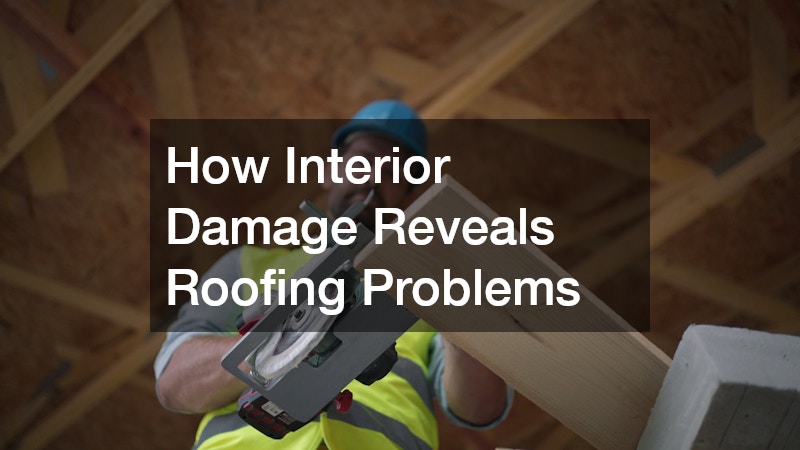
Interior damage is often one of the clearest indicators that your roof has already been compromised. When water penetrates the outer layers, it begins to affect insulation, drywall, and structural components inside your home. These issues can develop slowly, making them harder to detect until visible signs appear. Homeowners may notice discoloration, unusual odors, or changes in wall texture without realizing the roof is the source. In many cases, interior symptoms mean the problem has progressed beyond a simple fix. This is when contacting a residential roofing company or an experienced roofing contractor becomes essential. A professional can trace the issue back to its origin and recommend the appropriate solution. Addressing interior damage quickly helps prevent mold growth and structural deterioration.
Watch for these warning signs:
- Water stains on ceilings or walls
- Peeling paint or bubbling drywall
- Mold or mildew growth
- Persistent musty odors
Actionable tips:
- Inspect your attic with a flashlight for moisture or light gaps
- Trace stains to their highest point to locate leaks
- Check insulation for dampness or compression
Ignoring interior signs can lead to more extensive and costly repairs over time. Acting quickly not only protects your home’s structure but also helps maintain a healthy indoor environment. Early intervention is key to minimizing both damage and expense.
Evaluating the Age of Your Roof and Material Lifespan
The age of your roof plays a major role in determining whether repairs or replacement are necessary. Even if your roof appears to be in decent condition, materials naturally degrade over time due to exposure to the elements. Sunlight, temperature fluctuations, and moisture all contribute to wear and tear that weakens the overall structure. As your roof approaches the end of its expected lifespan, it becomes more susceptible to leaks and damage. Many homeowners delay action because there are no visible issues, but aging alone can justify roof replacements. Knowing when your roof was last installed can help you plan ahead and avoid unexpected failures. Reviewing documentation from the original roof installation is a good starting point for understanding its current condition. Being proactive about aging materials can prevent emergency situations.
Typical lifespans include:
- Asphalt shingles: 15–30 years
- Metal roofing: 40–70 years
- Tile roofing: 50+ years
Actionable tips:
- Check home records or permits for installation dates
- Schedule inspections as your roof nears its expected lifespan
- Look for signs of aging, even if no leaks are present
Planning ahead allows you to budget and prepare for necessary updates. Waiting too long can result in more extensive damage that affects other parts of your home. A proactive approach ensures your roof continues to provide reliable protection.
Identifying Storm and Weather-Related Damage Quickly
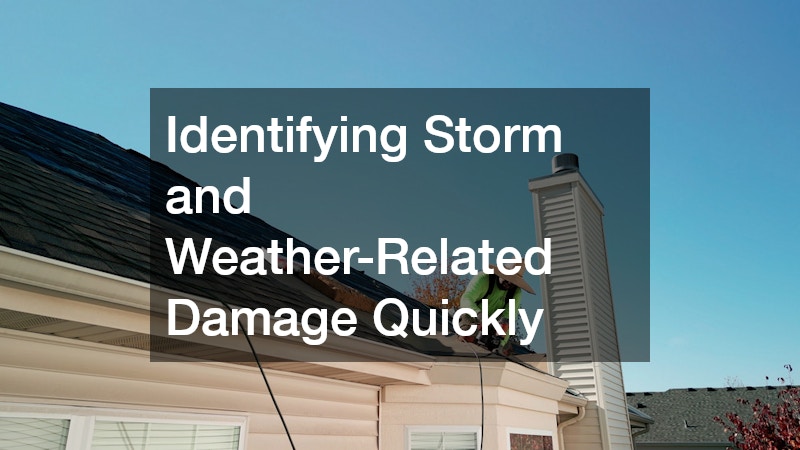
Severe weather can cause immediate and significant damage to your roof, often without obvious signs from the ground. High winds can lift shingles, hail can create impact damage, and heavy rain can expose weak points. Even a single storm can compromise your roof’s ability to protect your home. After extreme weather events, it’s important to assess your roof as soon as it’s safe to do so. Many homeowners rely on professional roofers or experienced roofing contractors to conduct thorough inspections. These experts know what to look for and can identify hidden damage that might otherwise go unnoticed.
Common types of storm damage:
- Hail dents or bruised shingles
- Wind-lifted or missing materials
- Debris impact from fallen branches
- Ice dams are causing water backup
Actionable tips:
- Inspect your roof after every major storm
- Take photos of visible damage for records
- Clear debris from gutters and roof surfaces
Addressing storm damage early reduces the risk of long-term issues. Even if damage seems minor, it’s worth having a professional evaluation. Quick action ensures your home remains protected from further exposure.
Recognizing When Repairs Are No Longer Enough
There comes a point when ongoing fixes are no longer the most practical solution. While roof repair can address isolated issues, repeated problems often indicate a larger underlying concern. Homeowners may find themselves dealing with frequent leaks, rising repair costs, and recurring damage in multiple areas. These patterns suggest that the roof’s overall integrity has been compromised. At this stage, investing in roof replacements may be more cost-effective in the long run. Continuing to patch problems can become more expensive than starting fresh. Evaluating the frequency and severity of issues helps determine the best course of action.
Signs that repairs are no longer sufficient:
- Recurring leaks in different areas
- Increasing repair costs over time
- Widespread visible damage
- Structural concerns beneath the surface
Actionable tips:
- Track repair history and expenses
- Compare long-term costs of repair vs. replacement
- Consult a professional for a full assessment
Transitioning from repairs to replacement can feel like a big step, but it often provides better long-term value. A new roof offers improved durability and peace of mind. Making an informed decision ensures your home remains protected for years to come.
Understanding Shingle Damage and Surface Wear
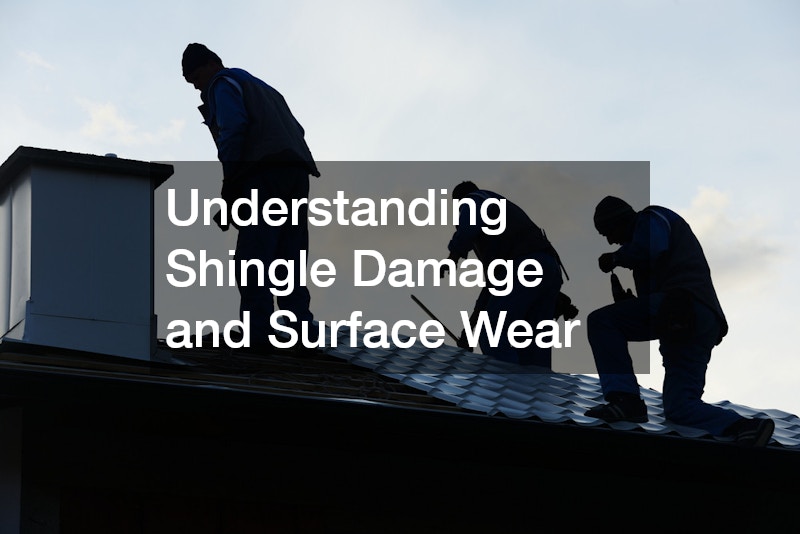
Shingles serve as the outermost layer of protection for your roof, making their condition critical to overall performance. Over time, exposure to weather and environmental factors causes shingles to deteriorate. Cracking, curling, and granule loss are all signs that your roof is beginning to wear down. These issues may start small but can quickly lead to more serious problems if not addressed. In many cases, asphalt shingle repair can resolve localized damage and extend the life of your roof. Homeowners often work with residential roofing companies to assess and address these issues effectively. Regular maintenance helps preserve the integrity of your shingles and prevents further deterioration.
Common signs of shingle wear:
- Cracked or split shingles
- Bald spots from granule loss
- Algae streaks or discoloration
- Moss buildup traps moisture
Actionable tips:
- Clean your roof to prevent algae and moss growth
- Replace damaged shingles promptly
- Avoid harsh cleaning methods that can cause damage
Maintaining your shingles is one of the most effective ways to extend your roof’s lifespan. Small repairs can prevent larger issues from developing. Consistent care ensures your roof continues to perform as intended.
Checking Structural Integrity and Roof Sagging
Structural issues are among the most serious concerns a homeowner can face when it comes to roofing. A sagging roof often indicates underlying damage that affects the support system. This can be caused by prolonged water exposure, poor construction, or excessive weight from snow or debris. Unlike surface-level issues, structural problems require immediate attention. Ignoring these warning signs can lead to dangerous conditions and potential collapse. Working with a qualified roofing contractor or experienced roofers is essential for diagnosing and resolving these issues. Professionals can assess the extent of the damage and recommend appropriate solutions.
Warning signs include:
- Uneven or sagging roof lines
- Visible dips in the structure
- Cracked or weakened supports
- Signs of water damage in the attic
Actionable tips:
- Inspect your attic for structural irregularities
- Look at your roofline from a distance
- Address moisture issues promptly
Structural damage should never be delayed or ignored. Taking immediate action can prevent costly repairs and serious safety risks. Ensuring your roof’s stability is essential for protecting your entire home.
Inspecting Flashing, Gutters, and Roof Penetrations
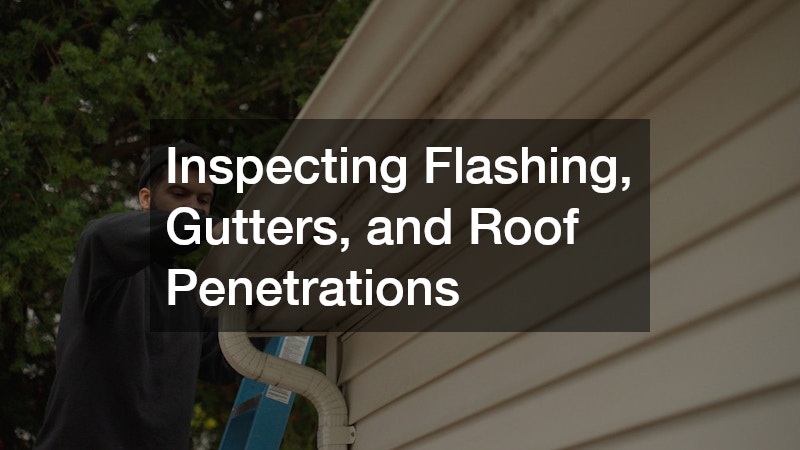
Your roof system includes more than just shingles, and these additional components play a vital role in preventing leaks. Flashing, gutters, and penetrations like vents and chimneys are common areas where problems develop. Over time, these elements can loosen, crack, or become clogged, leading to water intrusion. Regular inspection of these areas helps identify issues before they escalate. When problems arise, professional roof repair services from a local roofing company can address them effectively. Proper maintenance of these components ensures water is directed away from your home. Neglecting them can result in significant damage to both your roof and interior spaces.
Areas to inspect:
- Flashing around chimneys and vents
- Gutters filled with debris
- Seals around skylights
- Vent covers and penetrations
Actionable tips:
- Clean gutters regularly
- Check flashing for gaps or rust
- Ensure proper water drainage
Maintaining these components helps prevent leaks and prolongs your roof’s lifespan. Small issues can quickly become major problems if left unattended. Regular inspections keep your roof functioning efficiently.
Energy Efficiency Problems Linked to Roof Issues
A damaged or aging roof can have a significant impact on your home’s energy efficiency. Poor insulation and ventilation allow heat to escape in the winter and enter during the summer, increasing energy costs. Many homeowners don’t realize that their roof plays a major role in regulating indoor temperatures. When issues arise, working with a residential roofing company can help identify areas for improvement. In some cases, a new roof installation can enhance energy efficiency and reduce utility bills. Proper ventilation and insulation are key components of a well-functioning roof system. Addressing these issues not only improves comfort but also lowers long-term expenses.
Signs of efficiency problems:
- Rising energy bills
- Uneven indoor temperatures
- Hot or humid attic spaces
Actionable tips:
- Check insulation levels in your attic
- Ensure proper ventilation
- Consider energy-efficient roofing materials
Improving your roof’s efficiency benefits both your comfort and your wallet. Small upgrades can lead to significant savings over time. A well-maintained roof supports a more energy-efficient home.
Choosing the Right Professional for Inspection and Work
Finding the right professional is a critical step in maintaining or repairing your roof. Not all contractors offer the same level of expertise, so it’s important to do your research. Reputable roofing contractors and a trusted local roofing company can provide quality work and reliable guidance. Hiring the wrong professional can lead to poor workmanship and additional expenses down the line. Taking the time to evaluate your options ensures you receive the best possible service. Look for professionals with strong reputations, proper credentials, and transparent communication. Asking the right questions can help you make an informed decision. Choosing wisely protects your investment and ensures long-lasting results.
What to look for:
- Proper licensing and insurance
- Positive reviews and references
- Clear and detailed estimates
- Warranty options
Actionable tips:
- Get multiple quotes before deciding
- Verify credentials with local authorities
- Ask about timelines and materials
Working with a qualified professional ensures your roof is handled with care. A reliable contractor will guide you through the process and provide lasting solutions. Making the right choice sets the foundation for a successful project.
Deciding Between Repair and Full Replacement
Choosing between repairing your roof and replacing it entirely can be a difficult decision. The right choice depends on several factors, including the age of your roof, the extent of damage, and your long-term goals. While repairs may seem more affordable upfront, they may not always provide a lasting solution. In cases where damage is widespread or recurring, roof replacements often offer better value. Consulting with a knowledgeable roofing contractor can help you weigh your options effectively. A professional assessment provides insight into the condition of your roof and the best path forward. Planning ahead allows you to budget and avoid unexpected expenses. Making an informed decision ensures your home remains protected.
Key factors to consider:
- Age of the roof
- Severity of damage
- Budget and future plans
- Potential resale value
Actionable tips:
- Request a detailed inspection report
- Compare short-term and long-term costs
- Plan for future maintenance needs
Taking the time to evaluate your options leads to better outcomes. A well-informed decision provides peace of mind and long-term protection. Investing wisely ensures your home stays safe and secure.
Protecting Your Home by Acting on Roof Warning Signs
Your roof is your home’s first line of defense against the elements, and recognizing when something is wrong is essential to maintaining that protection. From minor surface issues to serious structural concerns, each warning sign plays a role in helping you understand the condition of your roof. Staying proactive with inspections, maintenance, and timely repairs can prevent small problems from turning into major expenses.
By paying attention to the signs outlined in this guide and working with experienced professionals when needed, you can extend the life of your roof and protect your investment. Taking action early not only saves money but also ensures your home remains safe, comfortable, and secure for years to come.