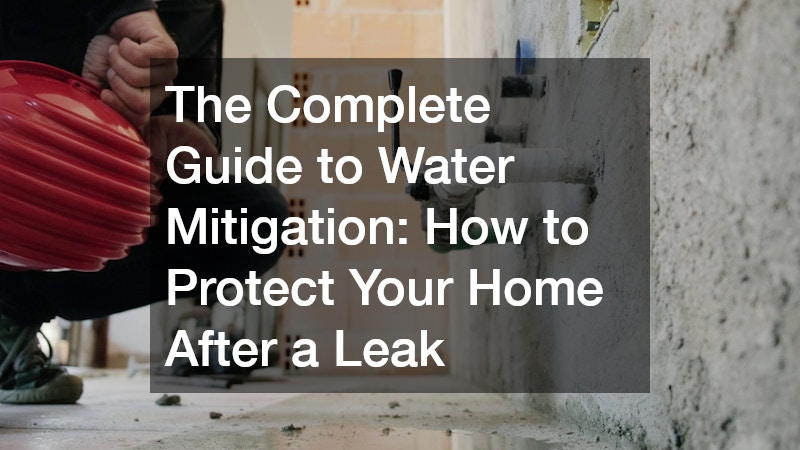
Water is one of the most destructive forces a property owner can face. Whether it stems from a burst supply line hidden inside a wall, a sudden appliance failure, or torrential storm runoff breaching your foundation, water intrusion acts rapidly and relentlessly. Within minutes, moisture migrates into porous building materials, swelling wood, saturating drywall, and threatening the structural integrity of your home. What initially appears to be a manageable spill on a kitchen tile floor can rapidly evolve into an extensive, multi-room catastrophe if ignored or handled improperly.
Understanding the full scope of water damage, the science of structural drying, and the step-by-step restoration process is essential for every homeowner. Navigating a water emergency requires swift, deliberate action to limit property destruction, lower repair costs, and safeguard your family from secondary issues like mold contamination and compromised indoor air quality. This comprehensive guide outlines everything you need to know about responding to severe leaks, executing thorough drying protocols, and restoring your property back to a safe, healthy state.
First Response: What to Do in the First 24 Hours
The first 24 hours following a water intrusion event represent the critical window during which you can dramatically minimize total loss. The actions taken during these initial hours determine whether building materials can be saved or if they must be completely torn out and replaced. Above all else, personal safety must remain your primary focus during an emergency response.
Before stepping into any flooded room, assess potential hazards carefully:
- Electrical Safety: Water and electricity present a fatal combination. If standing water reaches electrical outlets, power strips, or subpanels, do not enter the room. Shut off power to the affected zones from the main circuit breaker if you can reach it safely without walking through wet areas.
- Structural Stability: Ceilings saturated with water become extraordinarily heavy and can collapse without warning. Avoid standing directly under sagged, discolored, or dripping ceiling drywall.
- Identify and Stop the Leak: If the water originates from a domestic plumbing failure, immediately turn off the main water shutoff valve to your house. If the source is weather-related or external, take temporary emergency steps such as deploying tarps, setting up sump pumps, or placing catch basins.
- Document Everything: Prior to removing water or discarding ruined items, document all damage thoroughly. Take detailed photos and high-resolution videos of all affected rooms, standing water levels, ruined furniture, and personal items. This evidence is vital for your insurance adjuster.
Once hazards are managed, physical water extraction must begin immediately to limit deep saturation into underlying materials. Calling in dedicated experts who specialize in rapid water mitigation ensures that industrial extraction pumps and heavy-duty weighted vacuum units are deployed right away, pulling gallons of liquid from carpets, subfloors, and concrete foundations before permanent damage sets in.
Understanding Water Damage Categories and Classes
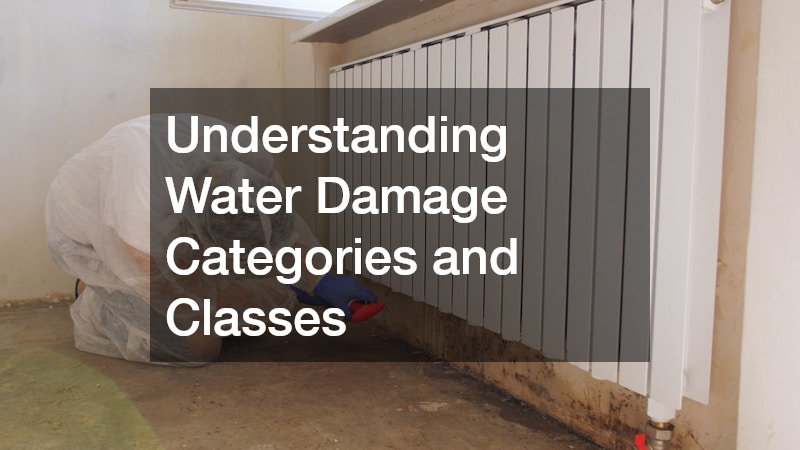
Restoration professionals evaluate water damage using standardized industry metrics established by the Institute of Inspection, Cleaning and Restoration Certification (IICRC). Water damage is divided into two main designations: Categories (which evaluate the purity and contamination level of the water) and Classes (which measure the rate of evaporation and total absorption area).
Categories of Water Contamination
Understanding the source of water dictates the protective gear, disposal protocols, and sanitization agents required during cleanup:
- Category 1 (Clean Water): Originates from sanitary sources such as clean water supply lines, broken toilet tanks, or falling rainwater. While non-toxic initially, Category 1 water can quickly transform into Category 2 if left standing for more than 24 hours in contact with organic building materials.
- Category 2 (Gray Water): Contains significant chemical, physical, or biological contaminants that can cause discomfort or sickness if ingested or touched. Common sources include dishwasher or washing machine overflows, sink drains, and sump pump discharges.
- Category 3 (Black Water): Grossly unsanitary water containing harmful pathogens, raw sewage, heavy metals, or toxic chemicals. Sources include river flooding, sewer line backups, and Category 2 water that has remained stagnant long enough to harbor microbial growth. Black water requires extreme biohazard protocols and thorough removal of all porous items it touches.
Classes of Water Intrusion
Classes describe the anticipated rate of evaporation based on the materials affected and the total volume of water involved:
- Class 1: Minimal water intrusion. Affects only a small section of a room with low-permeability materials like concrete or tile absorbing minimal moisture.
- Class 2: Fast evaporation rate. Water affects an entire room, soaking into carpets, underlying padding, and wicking up drywall walls between 12 and 24 inches.
- Class 3: Fastest evaporation rate. Usually involves water coming from overhead ceiling leaks, saturating entire wall cavities, insulation, carpet, subfloors, and structural framing.
- Class 4: Specialty drying conditions. Deeply bound moisture trapped within low-porosity materials such as solid hardwood flooring, brick, plaster, and structural concrete foundation blocks.
When unexpected leaks strike, partnering with a certified water damage company ensures that your home is evaluated using scientific moisture-measuring devices rather than simple visual inspection, guaranteeing all structural elements are accounted for during restoration.
The Structural Drying Process and Moisture Physics
Removing standing liquid from your floors is only the first step in property recovery. The most insidious damage occurs from trapped, invisible moisture locked deep within wood framing, drywall, and subflooring. If left alone, trapped moisture causes structural timber to rot, warps hardwood flooring, and creates an ideal breeding ground for microscopic fungi.
Proper structural drying is a scientific process that relies on controlling relative humidity, temperature, and airflow to pull moisture out of solid materials and into the air, where it can be collected and drained away.
Core Drying Equipment
Restoration specialists rely on three primary tools to achieve complete structural drying:
- High-Velocity Air Movers: These specialized blowers drive high-volume air currents directly across floorboards, baseboards, and lower walls. Accelerating airflow strips away the boundary layer of saturated air clinging to wet surfaces, driving rapid moisture evaporation.
- Commercial LGR Dehumidifiers: Standard home dehumidifiers lack the capacity to handle structural drying. Commercial Low Grain Refrigerant (LGR) dehumidifiers pull massive quantities of water vapor out of the air continuously, lowering relative humidity so that deeply bound water inside wall studs continues to migrate outward.
- Infrared Cameras and Moisture Meters: Technicians track drying progress using specialized tools. Non-penetrating moisture meters read deep subfloor moisture without causing damage, while infrared thermal imaging cameras identify hidden temperature differentials caused by active evaporation behind walls.
When disaster strikes, relying on established local restoration companies guarantees access to industrial-grade drying equipment and certified technicians who monitor moisture readings daily until your home reaches its natural equilibrium state.
Hidden Dangers: Mold and Indoor Air Quality
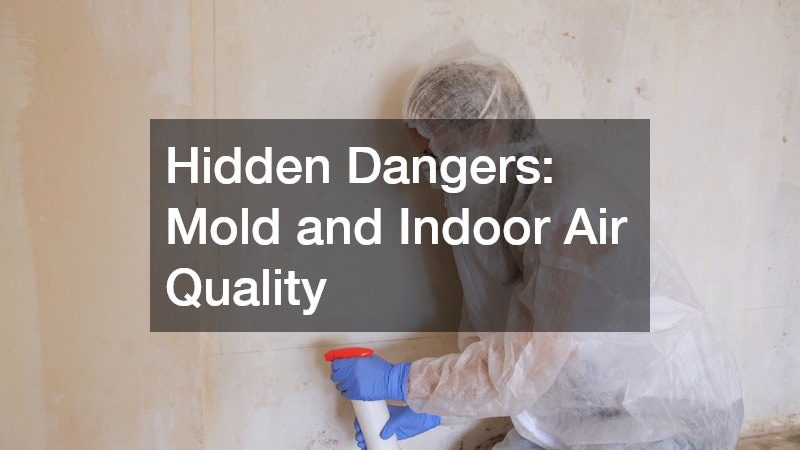
Whenever building materials remain damp for longer than 24 to 48 hours, dormant mold spores present in ordinary indoor air begin to germinate. Mold feeds on organic compounds found in paper-faced drywall, carpet fibers, and wood studs, spreading rapidly throughout hidden wall cavities and crawl spaces.
Health and Property Impacts of Indoor Mold
Indoor mold growth poses significant threats to both home integrity and human health:
- Respiratory Distress: Spores and mycotoxins irritate human respiratory systems, causing coughing, wheezing, throat tightness, and severe asthma attacks.
- Allergic Reactions: Exposure frequently leads to chronic sinus congestion, watery eyes, skin rashes, and persistent fatigue.
- Structural Weakening: Mold colonies digest cellulose in wood framing, weakening floor joists and wall studs over extended periods.
To assess the full extent of spore concentration following a major leak, scheduling a detailed mold assessment provides accurate air sampling data and pinpoints hidden colonies located behind walls or under subfloors.
Professional Containment and Remediation
Simply spraying surface bleach over moldy materials is ineffective because liquid bleach cannot penetrate porous wood to kill deep roots. True remediation requires strict containment protocols. Restoration crews set up heavy plastic sheeting barriers and deploy negative-air machines equipped with HEPA filtration to capture airborne spores before they can spread to uninfected areas.
If mold has already colonized building materials following a flood, hiring an experienced local mold removal contractor ensures that infected drywall and carpet are removed safely, while underlying framing is physically scrubbed and treated with EPA-registered antimicrobial barriers.
Basements and Lower-Level Vulnerabilities
Basements and below-grade living spaces face unique risks during water emergencies. Because basements are enclosed by subterranean foundation walls, groundwater pressure constantly exerts force against the exterior concrete. When heavy rains hit, or when internal plumbing breaks on an upper floor, gravity pulls water downward into your home’s lower level, creating a high risk for standing water and secondary structural issues.
Common entry points and vulnerabilities in lower levels include:
- Hydrostatic Pressure Build-Up: Saturated soil surrounding your foundation forces groundwater through hairline concrete cracks, floor joints, and porous mortar lines.
- Sump Pump Failures: Sump pumps are your primary defense against groundwater, but mechanical wear, clogged discharge lines, or power outages during severe storms can render them useless when needed most.
- Seepage Through Window Wells: Improperly drained window wells collect rainwater, which eventually leaks through basement window seals and flows directly down finished interior walls.
- Backflow From Municipal Drains: Heavy rainfall can overwhelm municipal sewer systems, causing contaminated wastewater to back up through basement floor drains and fixtures.
Rebuilding or waterproofing a finished basement requires specialized knowledge of drainage systems, vapor barriers, and water-resistant materials. Engaging a knowledgeable basement contractor ensures that your lower level is restored using proper subfloor assemblies, perimeter drainage channels, and sealants engineered to withstand subterranean moisture pressure.
Exterior Protections: Roofs, Decks, and Outdoor Structures
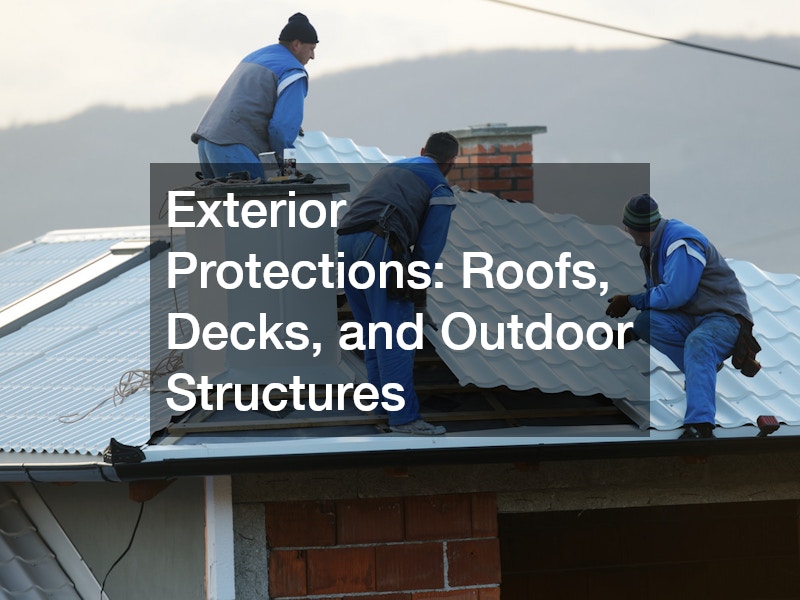
Preventing internal water damage often starts on the outside of your property. Neglecting the exterior building envelope—such as your roof, siding, and deck attachments—allows rainwater to penetrate interior walls, compromise ceiling joists, and damage interior insulation unnoticed until extensive damage has already occurred.
Key areas requiring routine exterior inspection and upkeep include:
- Roofing Systems and Flashing: Missing shingles, cracked rubber boots around vent pipes, and deteriorated flashing around chimneys allow water to enter your attic. Partnering with reputable roofing contractors allows you to identify subtle roof leaks and repair damaged underlayment before rainwater soaks through attic insulation and drywall ceilings.
- Gutters and Downspouts: Clogged or damaged gutters cause rainwater to overflow and pool around your home’s foundation, accelerating basement seepage and damaging exterior siding.
- Decks and Outdoor Living Features: Exterior structures attached to your house must feature proper flashing and sloped drainage away from the main building. Skilled deck builders install proper ledger board flashing and structural spacing, preventing water from collecting against exterior walls and rotting main floor joists.
HVAC Systems and Air Duct Health
During a major water leak or flooding event, your home’s heating, ventilation, and air conditioning (HVAC) system is at high risk of contamination. If standing water reaches low-lying floor vents, or if high humidity creates mold inside wall cavities, your HVAC system can pull damp air and spores through return ducts and redistribute them to every room in your house.
Post-water mitigation HVAC maintenance should include:
- Inspecting and thoroughly drying all floor ducts, air handlers, and subterranean air returns.
- Replacing all system air filters with high-efficiency particulate air (HEPA) filters designed to catch microscopic particles.
- Disinfecting coil components and interior duct surfaces to remove lingering moisture and prevent unpleasant, musty odors from taking hold.
Booking a professional ac duct cleaning service clears accumulated moisture, dust, and airborne spores from your supply lines, protecting your indoor air quality and extending the operational lifespan of your furnace and air conditioning equipment.
Long-Term Prevention and Whole-Home Renovations
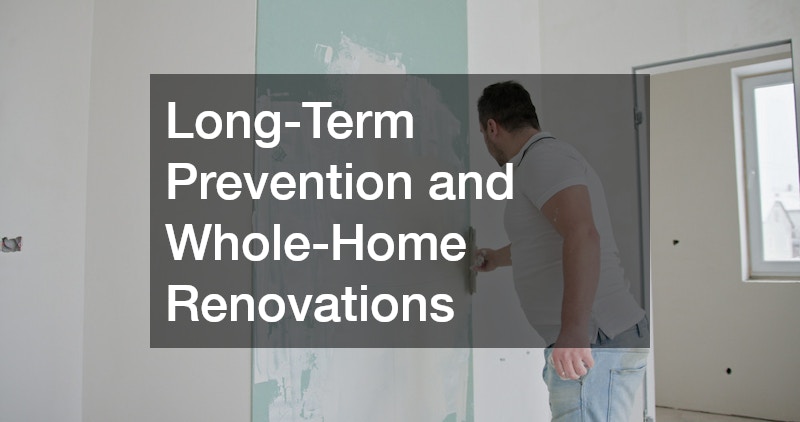
Once the initial emergency is managed and your property is completely dry, you have an opportunity to make long-term improvements to your living space. Repairing water damage allows you to upgrade structural components, modernizing your layout while implementing modern materials designed to prevent future water incidents.
Strategic upgrades that protect your home over time include:
- Smart Leak Detection: Installing inline automatic shutoff valves equipped with wireless moisture sensors cuts off your main water supply instantly if a line ruptures while you are away.
- Moisture-Resistant Wallboard: Replacing standard drywall in vulnerable areas like basements, bathrooms, and laundry rooms with mold-resistant cement board or fiber-reinforced panels limits future organic growth.
- Closed-Cell Spray Foam Insulation: Upgrading to closed-cell insulation provides high thermal resistance while acting as a rigid vapor barrier that does not absorb or retain moisture.
- Backwater Valve Installation: Installing a backwater sewer valve on your main waste line allows wastewater to exit your home while preventing municipal sewage from backing up into your drain lines during heavy floods.
Collaborating with an experienced home improvement company allows you to seamlessly blend essential structural repairs with updated aesthetic finishes, turning a frustrating water leak into a valuable property upgrade that enhances safety and market value.
Recovering from property water damage requires speed, expertise, and a structured plan of action. By reacting within the first 24 hours to shut off the water source, extracting bulk liquid, and deploying commercial drying equipment, you safeguard your home against structural decay and long-term health risks. Taking a comprehensive approach—from repairing roof leaks and protecting lower levels to cleaning air ducts and upgrading building materials—ensures that your living space remains dry, safe, and comfortable for years to come.